
Interior Painting
Interior painting that survives daily life
Living rooms, bedrooms, kitchens, bathrooms and studies — prepared properly and cut in by hand, with your furniture and floors protected throughout.
- Free Quotes
- Residential & Commercial
- Local Melbourne Painters
Overview
Interior work is judged up close and in daylight. Straight cut-in lines, even sheen across a wall and no roller texture where there should not be any are what people actually notice, and all three come from preparation rather than from the paint.
We paint walls, ceilings, skirting boards, architraves, door and window frames, doors and built-in joinery across living rooms, bedrooms, kitchens, bathrooms, hallways and studies.
Summary
At a glance
- Service
- Interior Painting — Walls, ceilings, trim, doors and built-ins, finished cleanly in homes people are still living in.
- Suitable for
- Occupied and vacant homes needing walls, ceilings, trim or joinery repainted, including work staged around people living in the house.
- Surfaces and systems
- Water-based wall and ceiling paints in a range of sheen levels, Water-based enamels for trim, doors and joinery, Stain-blocking and adhesion primers where the substrate requires them, Flexible gap-filling sealants at wall-to-trim junctions and Moisture-tolerant systems for bathrooms and laundries.
- Finish options
- Matte — hides minor surface imperfection, best for ceilings and low-traffic walls, Low sheen — the usual choice for general wall areas, Eggshell and satin — more washable, suited to hallways, kitchens and children’s rooms and Semi-gloss and gloss — trim, doors and joinery where durability matters most.
- Preparation
- Rooms are cleared or protected, surfaces are washed and sanded, cracks and nail holes are filled, and patched or bare areas are spot-primed before finish coats.
- Where it is offered
- Interior Painting is offered across Melbourne and surrounding suburbs, generally within about 40 km of Balwyn.
- Quoting
- Interior Painting is quoted in writing at no charge, after an inspection of the actual surfaces.
What we cover
What's included
Walls & Ceilings
Standard wall and ceiling finishes, accent walls and decorative treatments, over properly repaired surfaces.
Walls & CeilingsDoors, Trim & Frames
Skirting boards, architraves, door frames, window frames and doors, finished in a durable enamel system.
Doors, Trim & FramesKitchen Cabinets & Built-Ins
Cabinetry, wardrobes and joinery degreased, keyed and coated with a system built for handling.
Kitchen Cabinets & Built-InsDecorative & Custom Finishes
Venetian plaster, concrete-look, metallic and other specialist wall finishes.
Decorative & Custom Finishes
The work
Interior Painting photos
Sliding barn door and walls in white Period hallway joinery in white Interior repaint, before the clean-up
Our process
How the work runs
Step 1: Protect
Furniture moved to the centre and covered, floors protected with drop sheets, power points and switch plates removed rather than masked where practical.
Step 2: Repair
Cracks, nail pops, dents and failed previous patches are filled and sanded flat. Paint does not hide a defect — it highlights it.
Step 3: Prime
Bare, repaired, stained or previously unpainted areas are spot-primed or fully primed depending on the substrate and the colour change.
Step 4: Paint
Coats applied in sequence with proper drying time between them. The number of coats depends on the substrate, the colour change and the product specification.
Step 5: Inspect
Every wall checked in daylight, touch-ups completed, then fittings and furniture reinstated and the site vacuumed.
Why it holds up
What you get
- Ceilings cut in freehand for a crisp line at the cornice
- Furniture moved and protected as part of the job
- Lower-odour products used indoors wherever the specification allows
- Site cleaned down at the end of each day, not just at the end of the job
Systems and materials
- Water-based wall and ceiling paints in a range of sheen levels
- Water-based enamels for trim, doors and joinery
- Stain-blocking and adhesion primers where the substrate requires them
- Flexible gap-filling sealants at wall-to-trim junctions
- Moisture-tolerant systems for bathrooms and laundries
The specific products for your project are named in your written quote, so you know what is going on your property before you accept it.
Finish options
- Matte — hides minor surface imperfection, best for ceilings and low-traffic walls
- Low sheen — the usual choice for general wall areas
- Eggshell and satin — more washable, suited to hallways, kitchens and children’s rooms
- Semi-gloss and gloss — trim, doors and joinery where durability matters most
Comparison
Choosing an interior sheen level
Sheen decides how a wall reflects light, how visible its imperfections are, and how well it survives cleaning. It is usually a more consequential choice than the colour.
| Sheen | Appearance | Commonly used on | Cleaning |
|---|---|---|---|
| Flat / matte | Almost no reflection; hides surface imperfections best | Ceilings, bedrooms, formal living areas | Least washable; marks can burnish if scrubbed |
| Low sheen | A very slight softness under direct light | General living areas and most walls | Wipes clean reasonably well |
| Eggshell | A soft sheen, noticeably more light off the wall | Living areas, hallways, children’s rooms | Easier to clean than low sheen |
| Satin | A clear sheen that shows the surface beneath it | Kitchens, bathrooms, laundries, trim | More washable and more moisture tolerant |
| Semi-gloss / gloss | Highly reflective; every imperfection is visible | Doors, skirting, architraves and window frames | Most washable and hardest wearing |
The trade-off runs one way: the more washable the sheen, the more of the wall behind it you will see. A hallway in gloss is easy to clean and will show every patch and roller mark. Where a wall is not flat, a lower sheen is often the better decision even in a room that gets marked.
Worth knowing
Looking after the finish
Afterwards
Interior paint fails from wear and cleaning rather than from weather, so most of its life is decided by how it is looked after.
- Wait several weeks before washing new paintwork. It is touch-dry within hours but takes considerably longer to reach full hardness.
- Clean with a soft damp cloth and a mild detergent, working gently. Scrubbing a flat finish burnishes it and leaves a shiny patch.
- Deal with marks early. Something wiped off soon after it happens usually leaves nothing behind.
- Keep leftover paint sealed and labelled by room. Touching in from the original tin is far better than matching years later.
Questions
Common questions
If your question is not here, call and ask. We would rather explain it properly than have you guess.
Do I need to move furniture?
No. We move and cover furniture as part of the job. It helps if you clear small items, valuables and anything breakable from the rooms being painted, and we will talk through access before we start.
How many coats will you apply?
It depends on the existing colour, the substrate and the product. A like-for-like recoat over sound paint is often two coats; a dramatic colour change, a patched wall or bare plaster will need a primer or sealer first. The number of coats for your job is stated in the quote.
How bad is the paint smell?
Modern water-based interior paints are far lower in odour than older solvent-based products. We ventilate as we work and use lower-odour products indoors where the specification allows. Most people find rooms comfortable to use again the same day, though it is sensible to keep bedrooms ventilated overnight.
Will you paint over wallpaper?
Only where it is genuinely sound and well adhered, and even then it is a compromise — seams and texture usually telegraph through. In most cases we recommend removing it and making the wall good first, and we will tell you honestly which situation you are in.
Can you paint in winter?
Interior work runs year round. Drying and recoat times lengthen in cold or humid conditions, so a winter job may take slightly longer, and we allow for that rather than rushing a recoat.
Go deeper
Interior Painting in detail
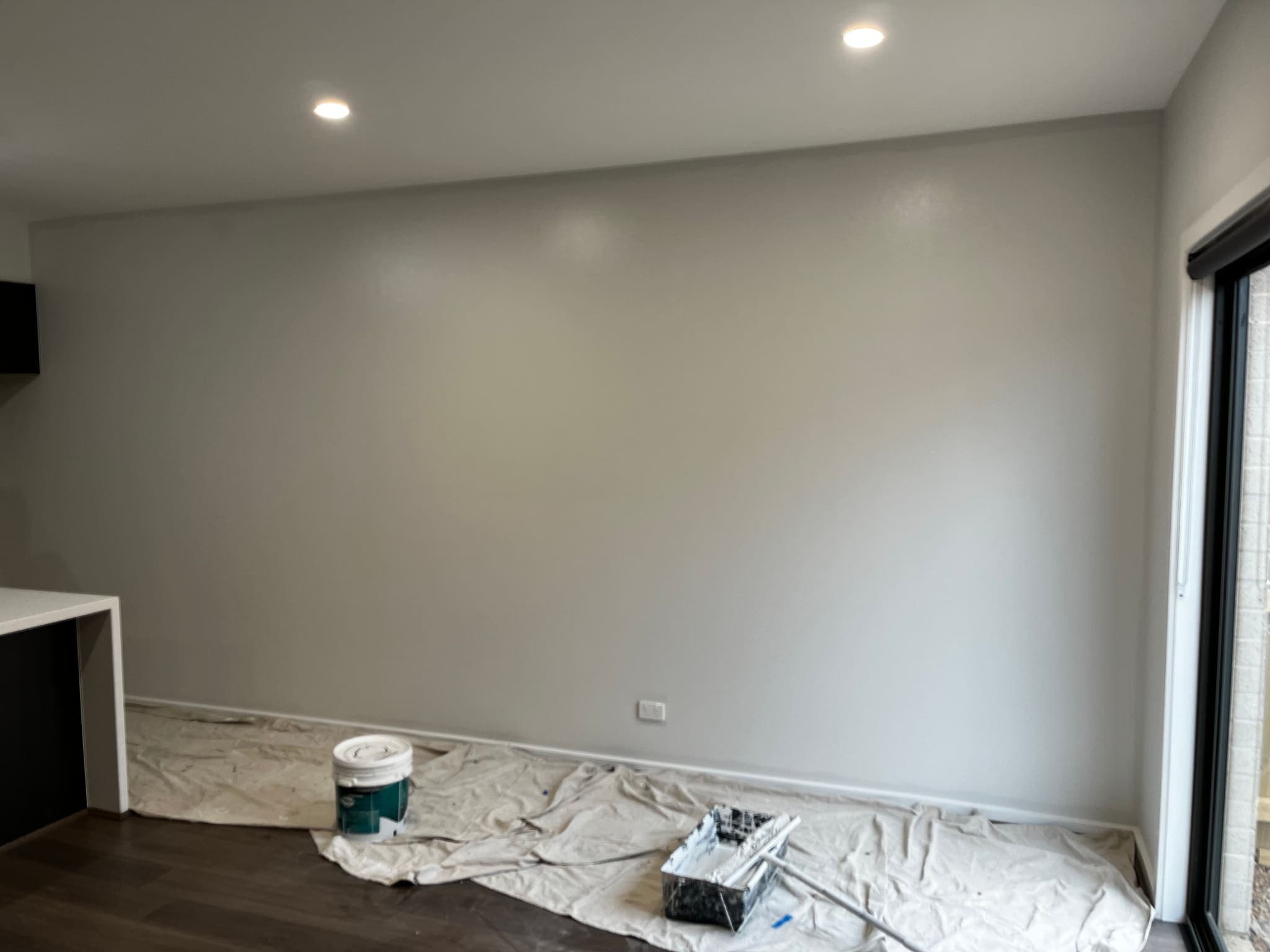
Walls & Ceilings
Wall and ceiling repainting over repaired, sanded and primed surfaces, with crisp cut-in lines.
Explore Walls & Ceilings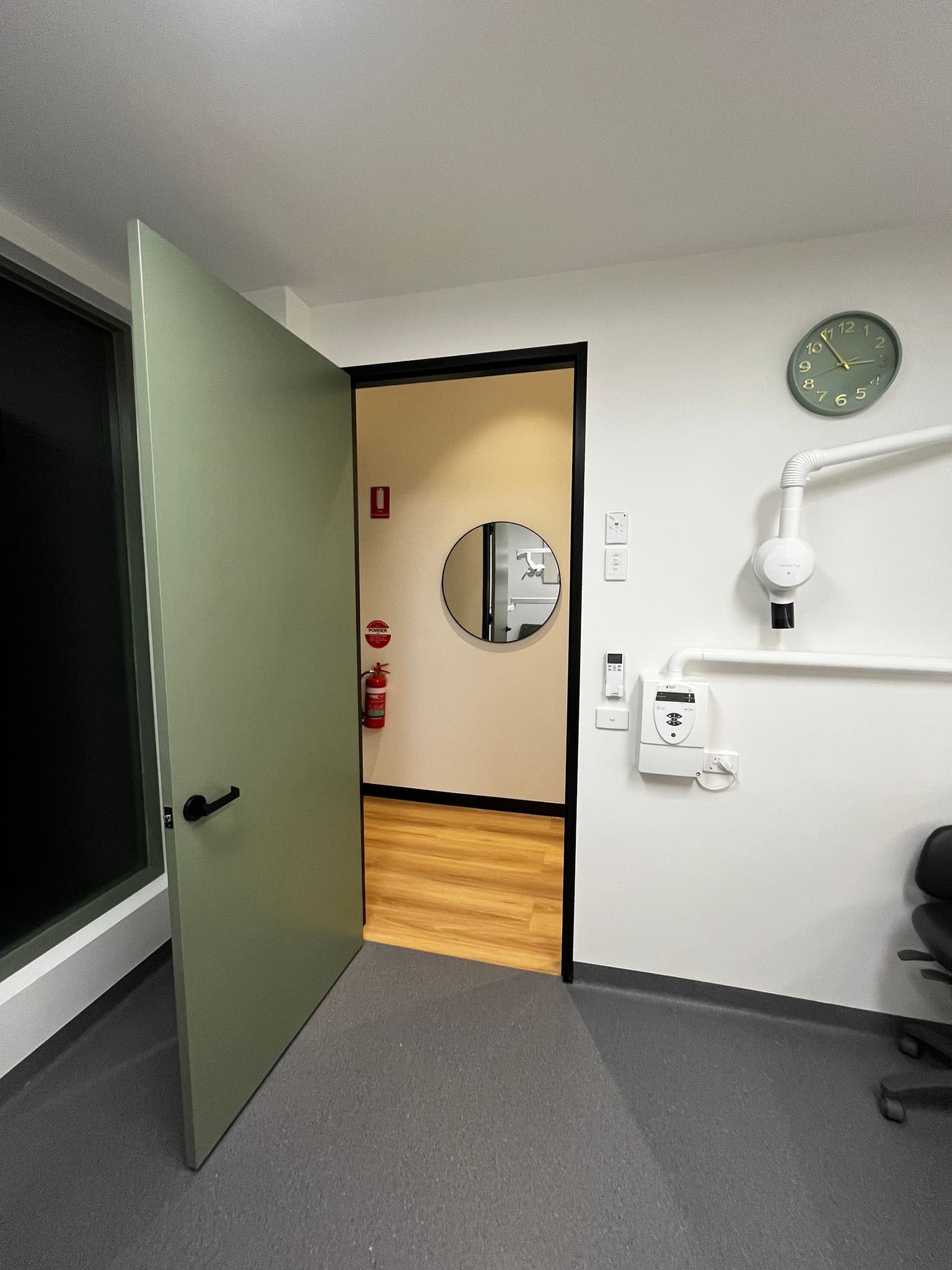
Doors, Trim & Frames
Skirting boards, architraves, door and window frames and doors, finished in a durable enamel system.
Explore Doors & Trim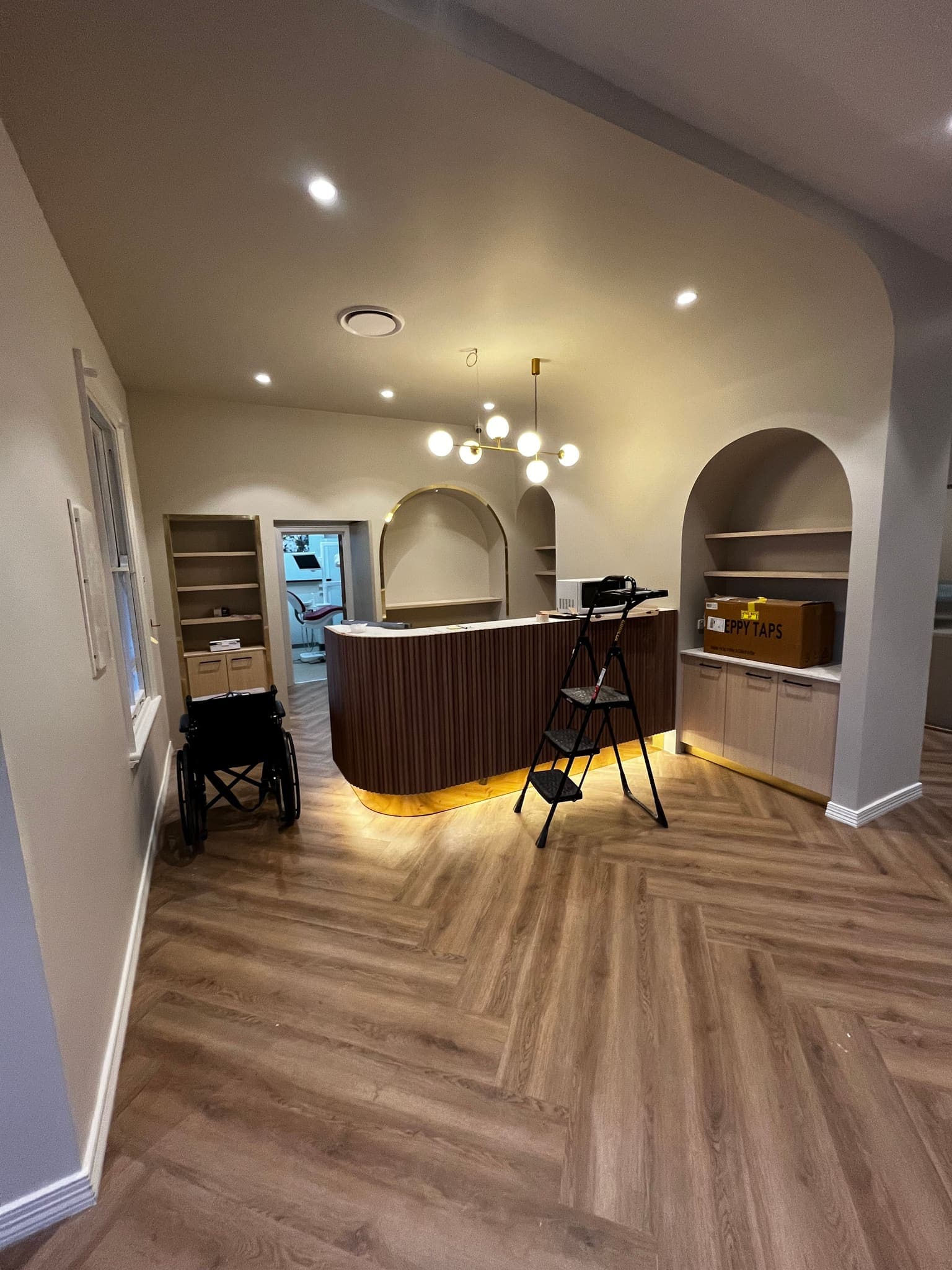
Kitchen Cabinets & Built-Ins
Cabinet refinishing for kitchens, laundries, wardrobes and built-in joinery, using a coating system built for handling.
Explore Kitchen Cabinets
Further reading
Before you decide
Longer answers to the questions this work usually raises. No sales pitch — just what we would tell you on site.
Where we work
Interior Painting across Melbourne
We work throughout Melbourne and surrounding suburbs, generally within about 40 km of the city. If your property sits outside that, ask — we travel for larger projects.
Balwyn · Brighton · Camberwell · Kew · Hawthorn · Malvern · Richmond · South Yarra · Toorak · Armadale · Canterbury · Surrey Hills
Explore
Related services
- Learn more
Residential Painting
Interior and exterior painting for Melbourne homes, from single rooms to full repaints.
- Learn more
Walls & Ceilings
Wall and ceiling repainting over repaired, sanded and primed surfaces, with crisp cut-in lines.
- Learn more
Doors, Trim & Frames
Skirting boards, architraves, door and window frames and doors, finished in a durable enamel system.
- Learn more
Kitchen Cabinets & Built-Ins
Cabinet refinishing for kitchens, laundries, wardrobes and built-in joinery, using a coating system built for handling.
- Learn more
Decorative & Custom Finishes
Venetian plaster, concrete-look, faux and metallic finishes, and hand-painted feature work.
- Learn more
Colour Consultation
Help choosing a scheme that works in your light, on your surfaces and in your street.
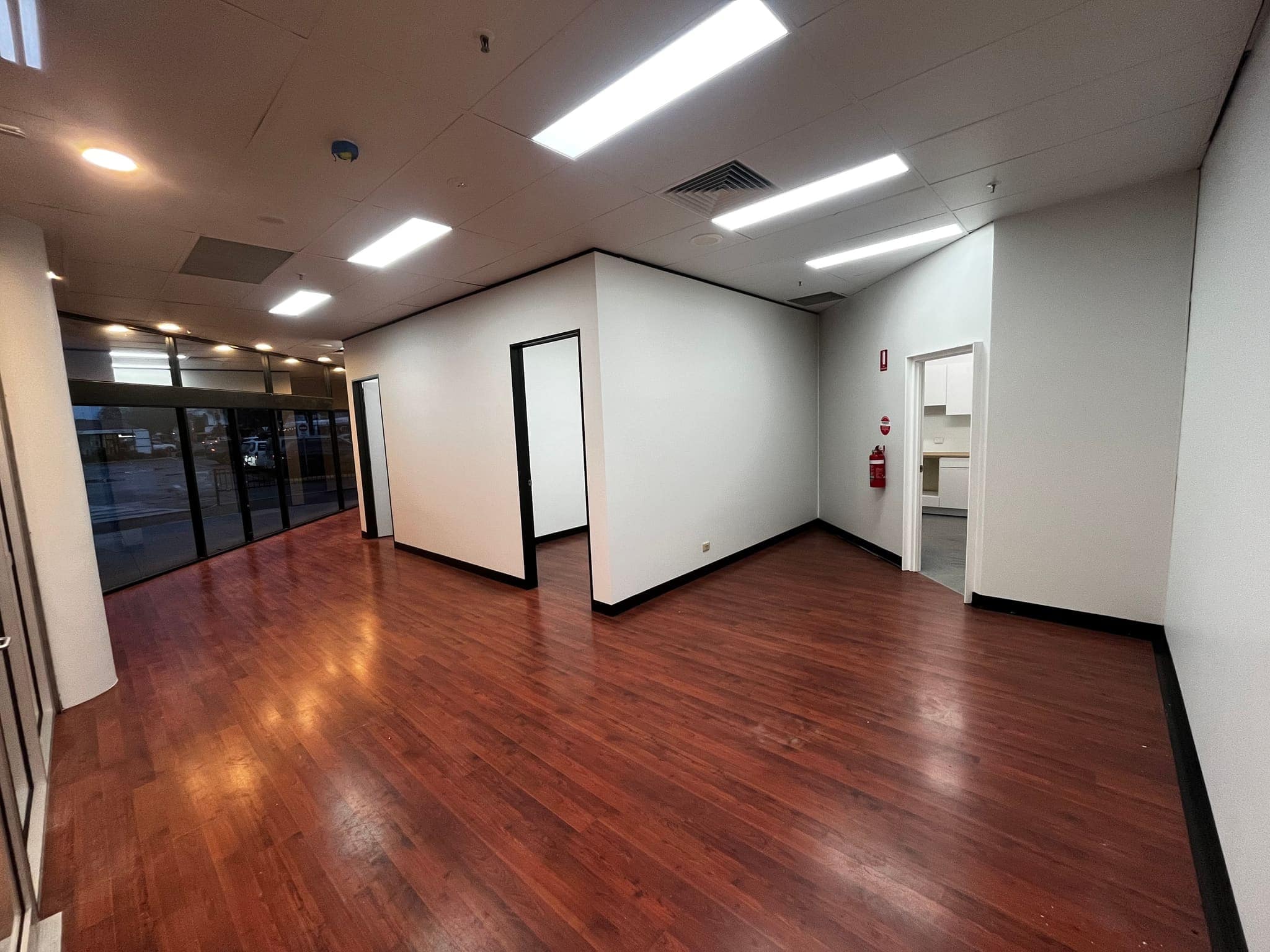
Free, no-obligation quotes
Get a written quote for your painting job
Tell us what needs painting and send a few photos. We will inspect the property and put a written, itemised quote in front of you — in Australian dollars, with the scope spelled out.