
Exterior Painting
Exterior painting built for Melbourne weather
Hard summer sun, cold wet winters and a city that can deliver all four seasons before lunch. Exterior coatings here have to be prepared for properly.
- Free Quotes
- Residential & Commercial
- Local Melbourne Painters
Overview
Exterior paint fails at the edges first — at end grain, at open joints, at the bottom of weatherboards and around window frames where water sits. Preparation is what addresses those points, and it is the single biggest factor in how long an exterior finish lasts.
We work on brick, render, weatherboard and timber, along with fascias, eaves, windows, doors, decks, fences and pergolas. Coating systems are selected to suit the substrate, its condition and its exposure rather than applying the same product to everything.
Summary
At a glance
- Service
- Exterior Painting — Brick, render, weatherboard, trim, decks, fences and pergolas prepared for Melbourne conditions.
- Suitable for
- Houses whose exterior coating has begun to chalk, crack, peel or fade, and homes being prepared for sale or long-term maintenance.
- Preparation
- Exterior work is washed to remove dirt, salt and chalk, scraped back to sound material, filled and sanded, with bare timber and masonry primed and end grain sealed before coating.
- Where it is offered
- Exterior Painting is offered across Melbourne and surrounding suburbs, generally within about 40 km of Balwyn.
- Quoting
- Exterior Painting is quoted in writing at no charge, after an inspection of the actual surfaces.
What we cover
What's included
Brick Painting
Face brick and previously painted brickwork, with mortar condition assessed first.
Brick PaintingRender Painting
Cement and acrylic render, checked for cracking and moisture before coating.
Render PaintingWeatherboard Painting
Timber cladding prepared back to a sound edge, with end grain sealed.
Weatherboard PaintingFascia, Soffits & Eaves
The parts nobody looks at until they fail.
Fascia, Soffits & EavesShutters
Timber and paint-compatible shutters, with louvres coated evenly.
ShuttersExterior Doors
Entry doors and frames, prepared for sun and weather exposure.
Exterior DoorsDecks
Timber decking cleaned, prepared and coated or stained.
DecksFences
Timber and metal fencing, with garden beds protected.
FencesPergolas
Timber and metal structures, including rust treatment where relevant.
Pergolas
The work
Exterior Painting photos
Outdoor seating before recoating The same seating after recoating Window frame masked before spraying Upper-storey cladding, worked from scaffold Before: tired cream paint and creeper marks
Our process
How the work runs
Step 1: Inspect every elevation
North and west-facing walls are almost always in worse condition than sheltered elevations, and they drive the preparation scope.
Step 2: Wash and treat
Pressure washing to remove dirt, chalking and salt deposits, with mould and lichen treated where present.
Step 3: Scrape, sand and repair
Failed coatings taken back to a sound edge, splits and gaps filled, open joints sealed and bare timber sanded.
Step 4: Prime
Bare, repaired and previously uncoated areas primed with a product suited to the substrate. End grain is sealed, because it is where exterior coatings usually start to fail.
Step 5: Coat and inspect
Finish coats applied to the manufacturer specification and within their stated conditions, then walked with you at completion.
Why it holds up
What you get
- Every elevation assessed separately rather than priced as one number
- End grain and open joints sealed as standard preparation
- Work paused rather than pushed through unsuitable weather
- Access equipment appropriate to the height, not a ladder and optimism
Worth knowing
Limitations and upkeep
Before committing to this work
- Exterior coating is scheduled around weather. Applying a system in the wrong temperature or humidity, or onto a surface that has not dried, causes failures that appear months afterwards.
- How long an exterior coating lasts depends on the substrate, which way the wall faces and how thoroughly it was prepared. No single interval applies to every house, and preparation is usually the deciding factor rather than the product.
- Rotten timber, failed flashing and blocked drainage are building repairs. They are identified at inspection and need resolving before painting, not instead of it.
- Homes built before 1970 may carry lead in their older paint layers, which changes both the preparation method and the time the job takes.
Afterwards
Exterior coatings give a lot of warning before they fail. Acting on it is the difference between a wash and a recoat, and a strip back to bare substrate.
- Rub a hand across a sunlit wall once a year. A chalky residue means the coating is breaking down under ultraviolet light — usually the first sign.
- Check fascias, window frames and the ends of weatherboards first. Those fail before flat wall surfaces do.
- Wash the exterior periodically to remove dirt, salt and organic growth, which all accelerate breakdown.
- North and west-facing elevations weather fastest in Melbourne, and homes near the bay face salt as well as sun.
Questions
Common questions
If your question is not here, call and ask. We would rather explain it properly than have you guess.
How long does exterior paint last in Melbourne?
It depends on the substrate, the exposure and the system used. North and west-facing elevations and properties near the bay weather fastest. Preparation is the biggest single factor — a premium product over a poorly prepared surface will fail early — so we would rather talk about how a surface is prepared than quote a number of years.
What happens if it rains?
We stop. Coating a damp surface, or letting a fresh coat get rained on before it has cured, causes problems that only appear months later. Weather delays are normal on exterior work in Melbourne and we tell you as soon as the schedule shifts.
What time of year is best for exterior painting?
Spring and autumn are usually the most reliable in Melbourne — moderate temperatures and lower humidity suit most coating systems. Summer work needs care on hot surfaces in direct sun, and winter brings shorter drying windows. We work year round and plan the sequence around conditions.
Does the house need to be empty?
No. Exterior work rarely disrupts the inside of a home. We will let you know which windows need to stay closed on any given day and where access needs to remain clear.
Go deeper
Exterior Painting in detail
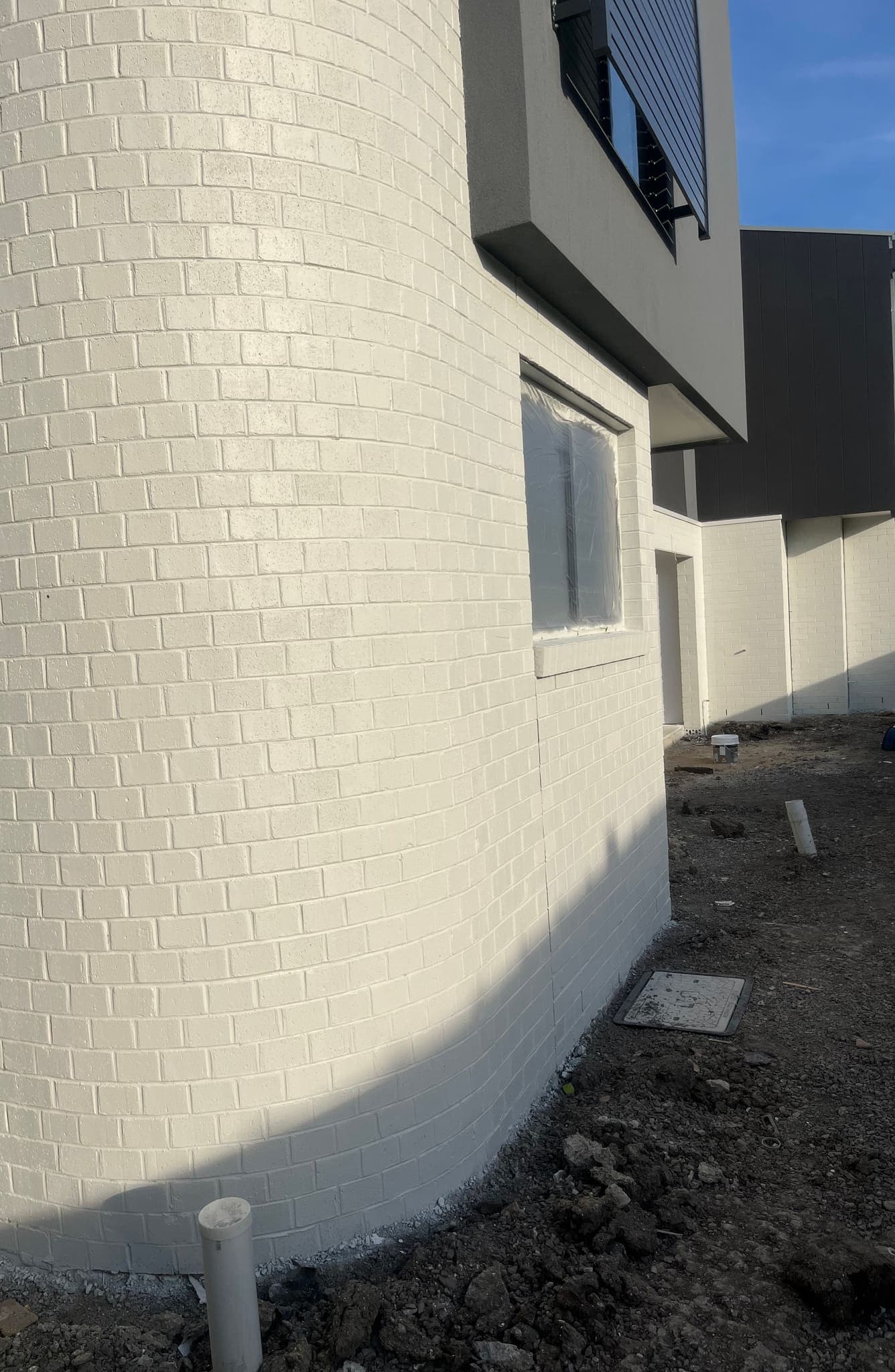
Brick Painting
Painting face brick and previously coated brickwork, with mortar condition assessed first.
Explore Brick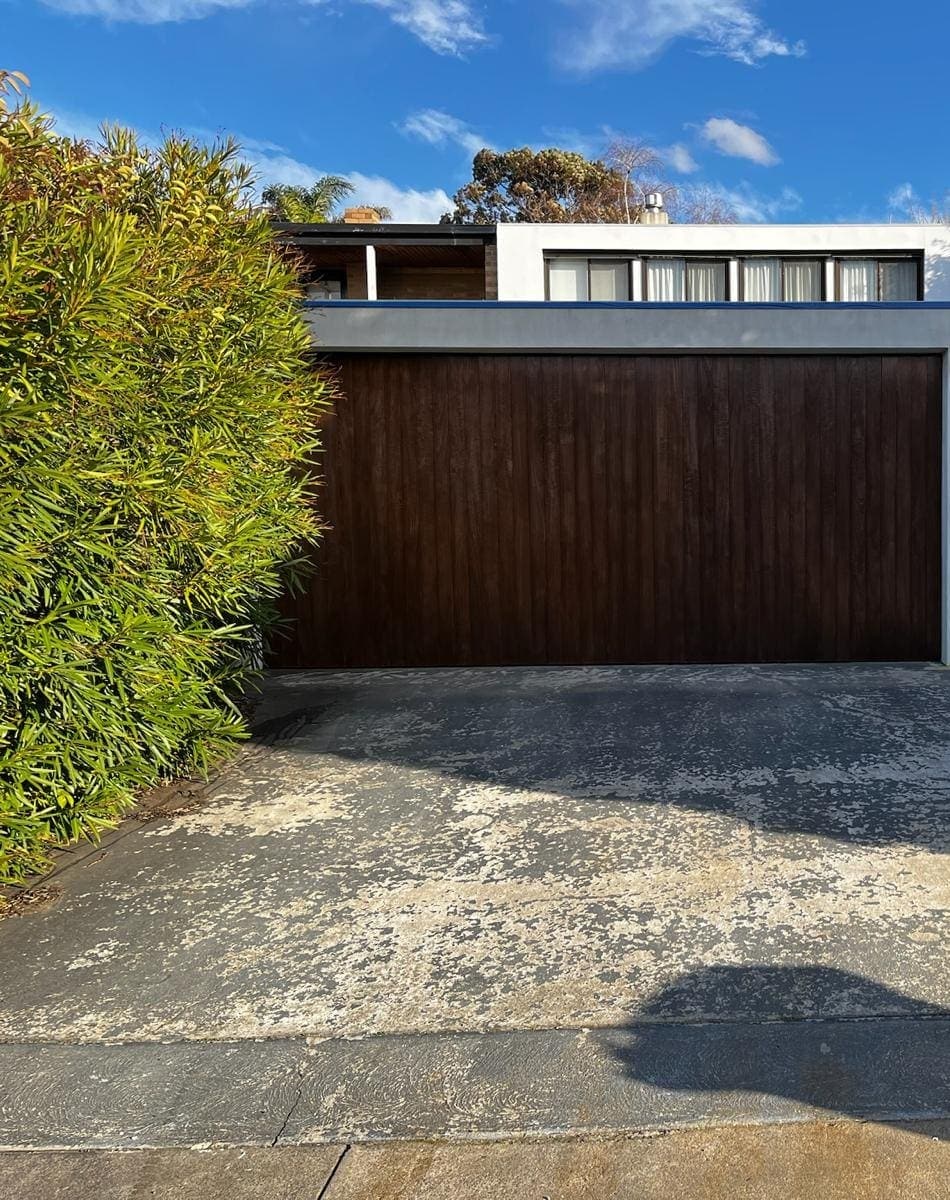
Render Painting
Cement and acrylic render coated after condition, moisture and cracking are assessed.
Explore Render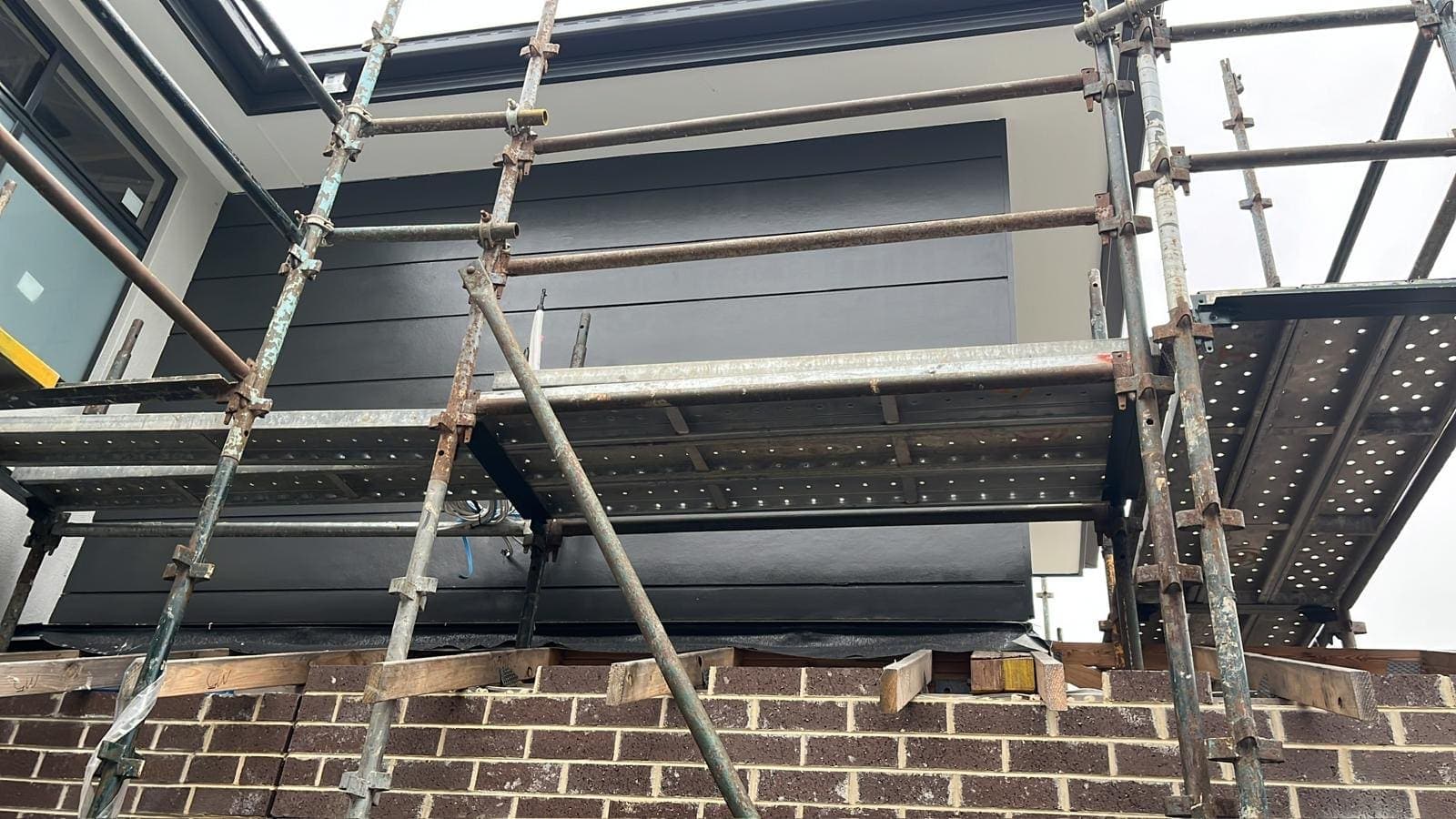
Weatherboard Painting
Timber cladding prepared back to a sound edge, with end grain sealed and boards primed.
Explore Weatherboards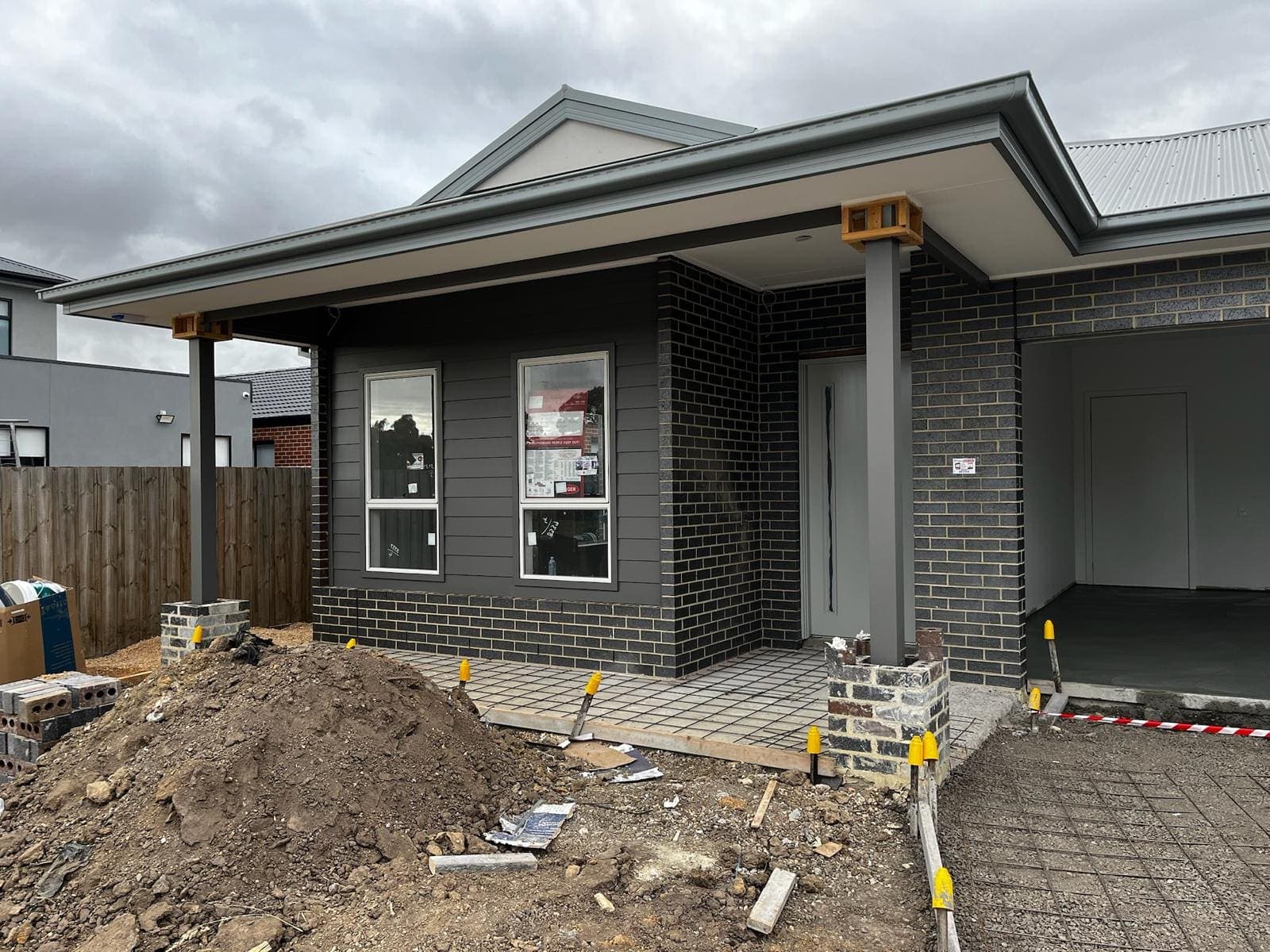
Fascia, Soffits & Eaves
Fascias, soffits and eaves prepared and coated, with moisture and rust addressed first.
Explore Fascia & Eaves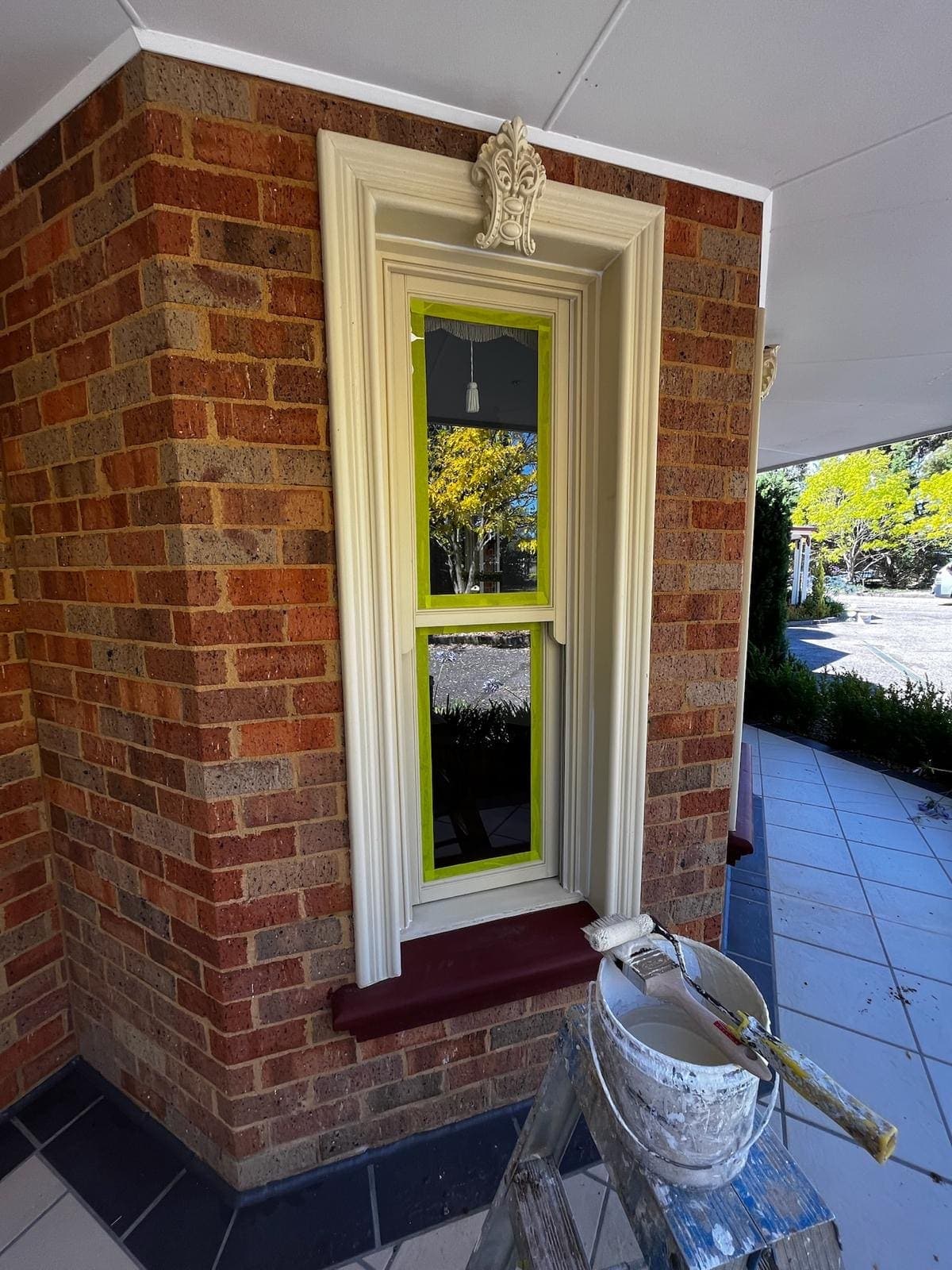
Shutter Painting
Timber and paint-compatible shutters cleaned, prepared and coated evenly across every louvre.
Explore Shutters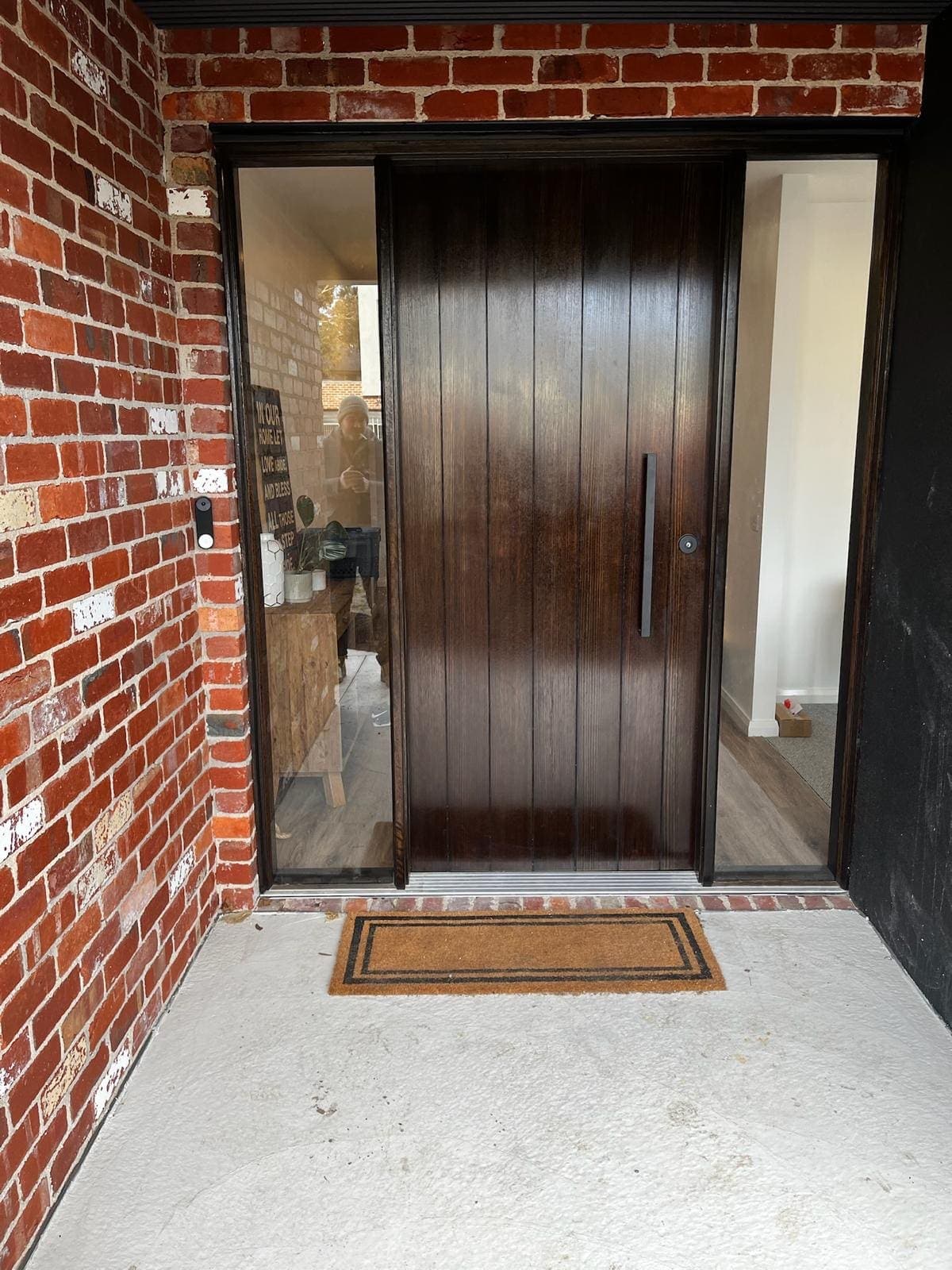
Exterior Door Painting
Entry doors and frames in timber, metal and suitable composites, prepared for sun and weather.
Explore Exterior Doors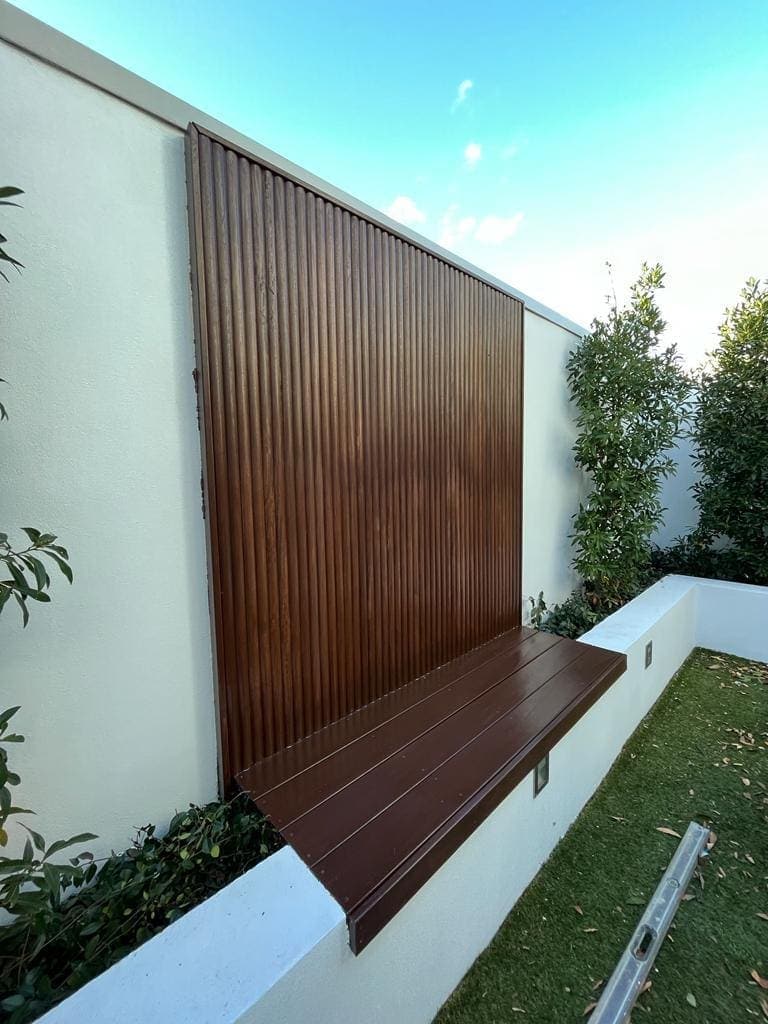
Deck Painting & Coating
Timber decks cleaned, sanded, repaired and finished with a coating or stain system.
Explore Decks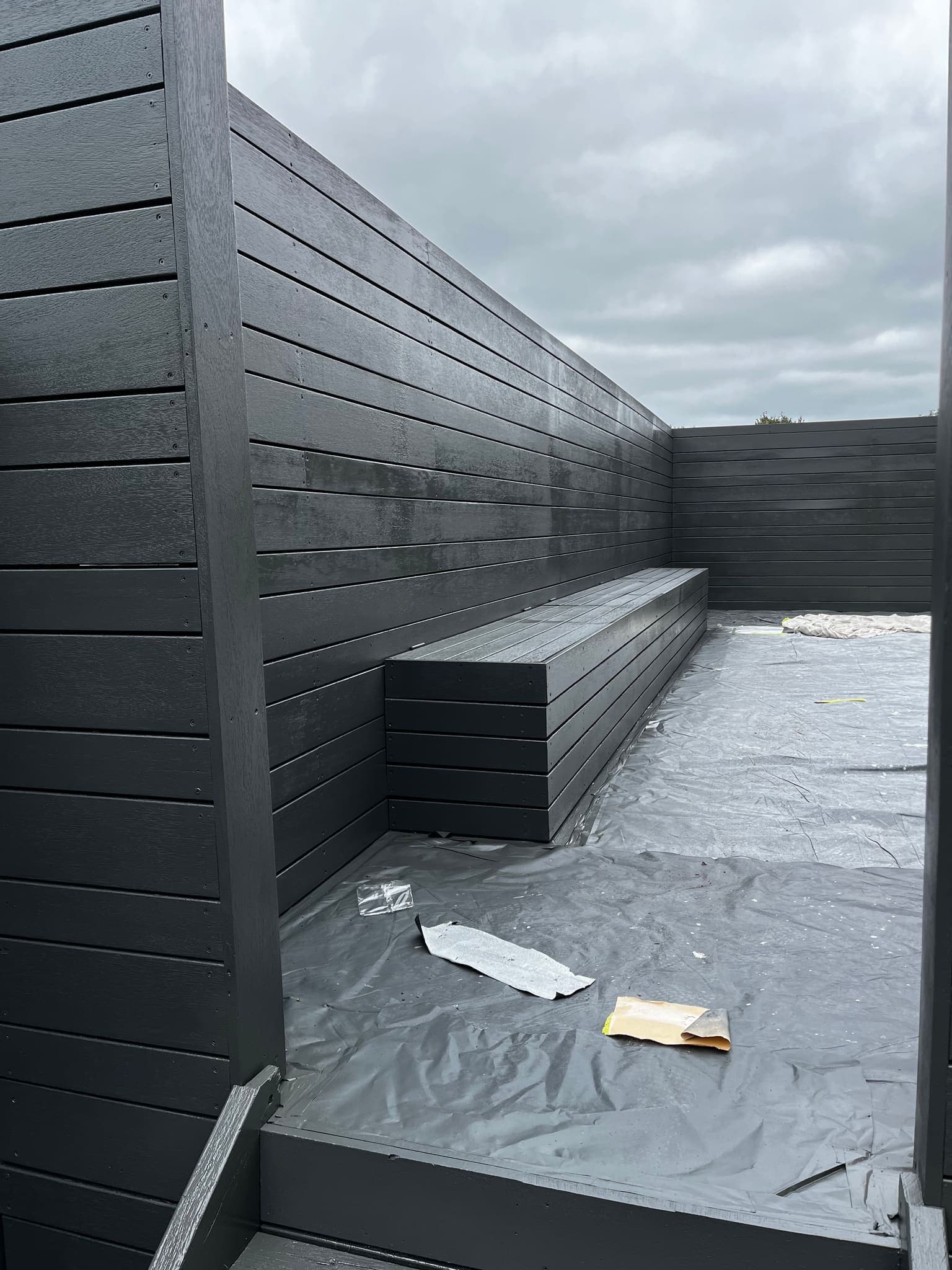
Fence Painting
Timber and metal fencing cleaned, prepared and coated, with garden beds protected.
Explore Fences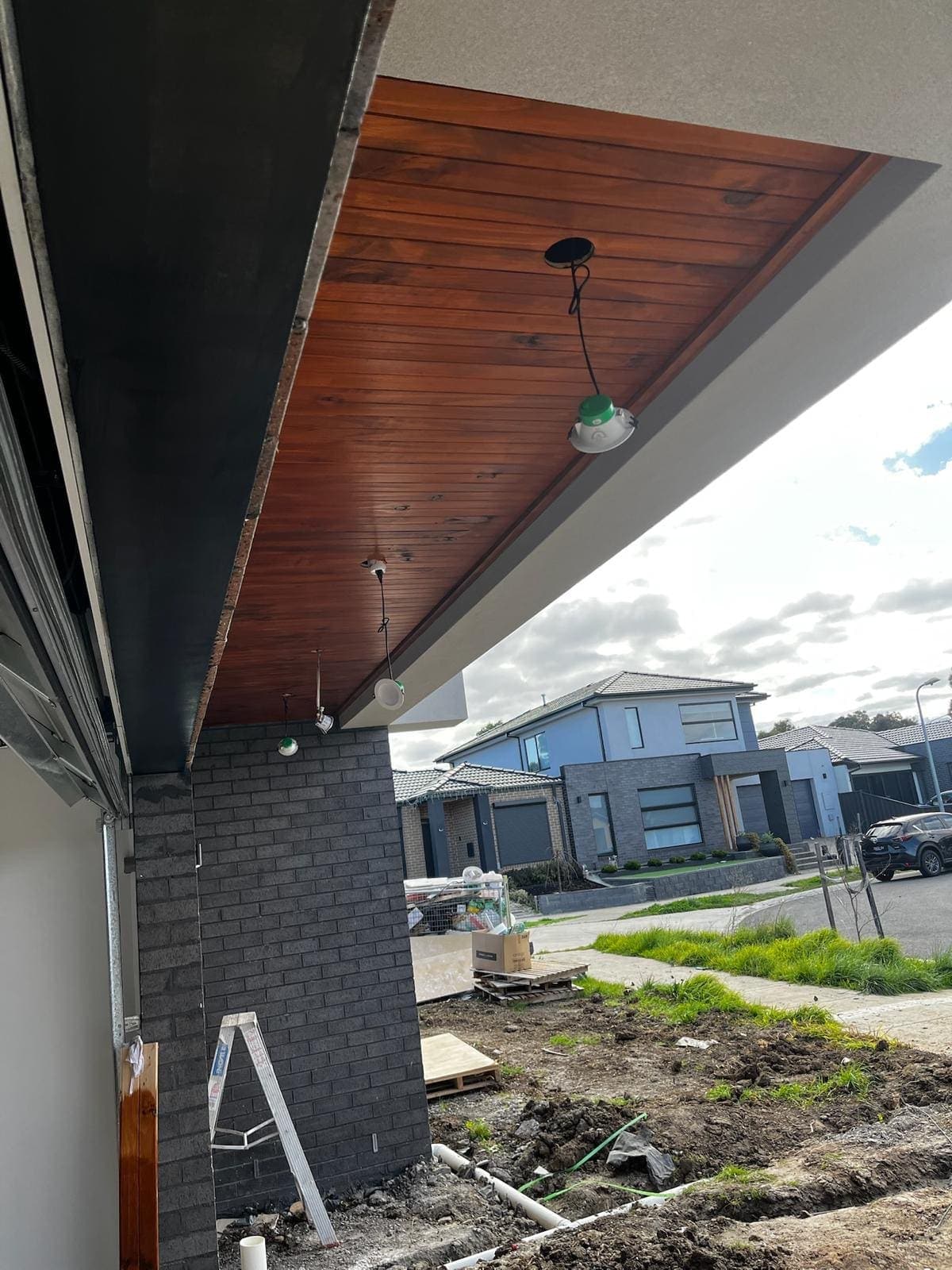
Pergola Painting
Timber and metal pergolas cleaned, prepared and coated, including rust treatment where relevant.
Explore Pergolas
Further reading
Before you decide
Longer answers to the questions this work usually raises. No sales pitch — just what we would tell you on site.
Where we work
Exterior Painting across Melbourne
We work throughout Melbourne and surrounding suburbs, generally within about 40 km of the city. If your property sits outside that, ask — we travel for larger projects.
Balwyn · Brighton · Camberwell · Kew · Hawthorn · Malvern · Richmond · South Yarra · Toorak · Armadale · Canterbury · Surrey Hills
Explore
Related services
- Learn more
Residential Painting
Interior and exterior painting for Melbourne homes, from single rooms to full repaints.
- Learn more
Brick Painting
Painting face brick and previously coated brickwork, with mortar condition assessed first.
- Learn more
Render Painting
Cement and acrylic render coated after condition, moisture and cracking are assessed.
- Learn more
Weatherboard Painting
Timber cladding prepared back to a sound edge, with end grain sealed and boards primed.
- Learn more
Fascia, Soffits & Eaves
Fascias, soffits and eaves prepared and coated, with moisture and rust addressed first.
- Learn more
Surface Preparation
Washing, crack repair, sanding, caulking, wallpaper removal, priming and sealing — the work a finish depends on.
Free, no-obligation quotes
Get a written quote for your painting job
Tell us what needs painting and send a few photos. We will inspect the property and put a written, itemised quote in front of you — in Australian dollars, with the scope spelled out.